Brian in the Kitchen Recipes
BRIAN IN THE KITCHEN brought to you by Stittsworth Meats
August 31 2026
Labor Day Low And Slow - The Perfect Brisket
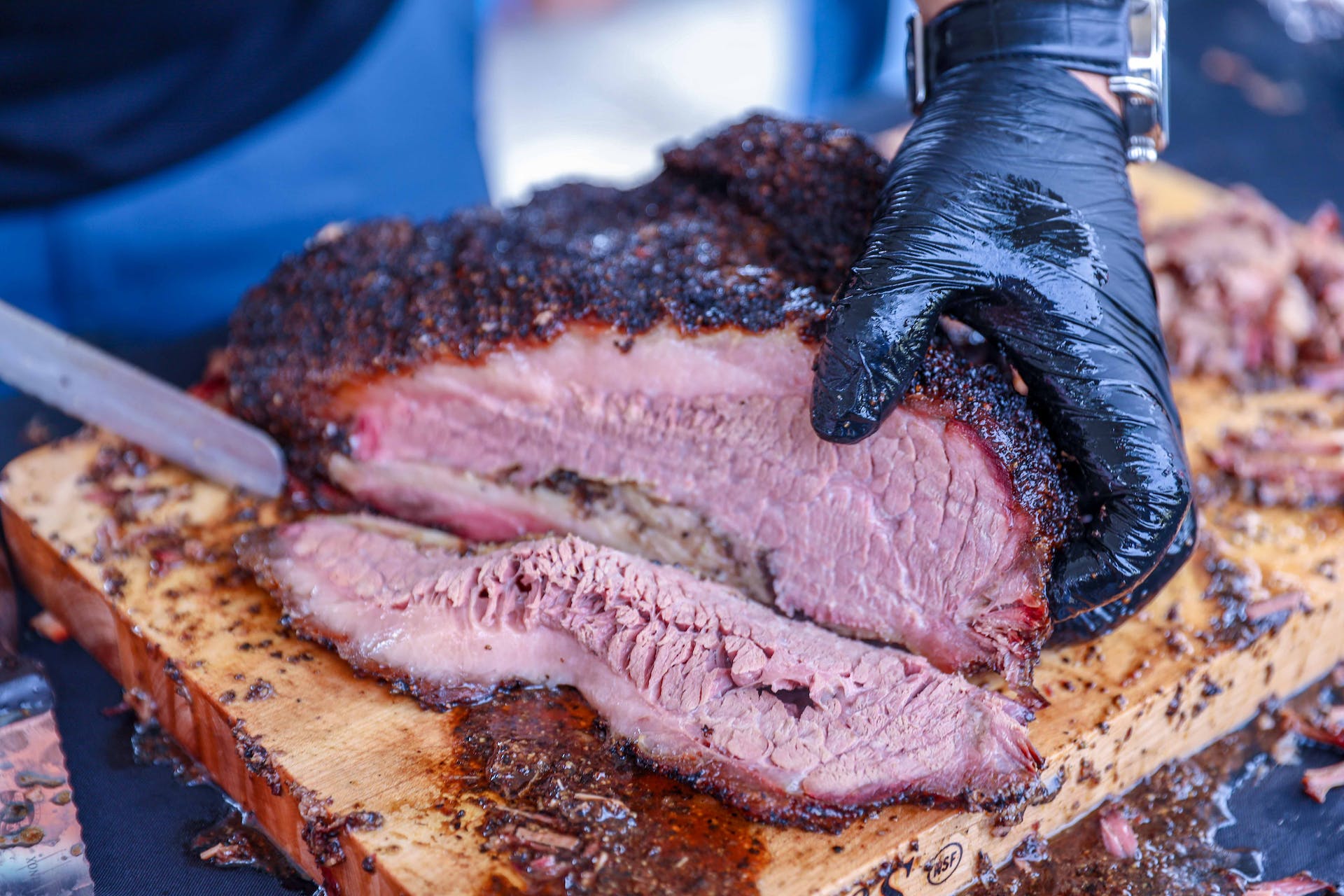
Image From q39kc.com
Prepare the Brisket: Trim excess fat and apply your chosen rub evenly, about 1 to 1 1/2 cups per brisket.
Preheat the Smoker: Aim for a low-and-slow temperature range of 225°F to 250°F. Chef Patrick says, “consistency is more important than chasing exact numbers.”
Select Wood: Opt for hardwoods like hickory, oak, or post oak for a clean, bold smoke profile. “Too much smoke or resinous woods can turn brisket bitter,” says Chef Patrick.
Place the Brisket: Position it fat side up on the smoker grates.
Maintain Temperature: Regularly monitor and adjust the smoker to maintain a consistent temperature.
Add Wood as Needed: Introduce wood chunks or chips periodically for a steady infusion of smoky goodness. It’s important to add charcoal and wood occasionally, as too much wood will give the brisket a bitter taste.
Patience is Key: Smoking times vary but anticipate around 30-minutes to 1.5 hours per pound, depending on the smokers temperature.
Maintain Moisture: Once you have a good “bark” on the outside, wrap the brisket in aluminum foil or butcher paper with a little beef au jus. This will help keep the meat juicy.
Check for Doneness: Utilize a meat thermometer, aiming for an internal temperature of 195°F to 205°F.
Rest: Remove the brisket from the foil to stop the cooking process and allow to cool for 10-minutes. Wrap in plastic wrap and leave to rest for around 30 to 45-minutes. Allowing the brisket time to rest will help prevent all the juices from running out when you slice.
Charcoal Grill:
Attaining BBQ mastery on a charcoal grill requires honing the skill of indirect heat cooking. To set up, create a two-zone fire by placing the charcoal on one side of the grill, leaving the other side empty. This arrangement allows for controlled, slow cooking without direct heat exposure. Equip yourself with a reliable meat thermometer, a drip pan to capture drippings, and a water pan to uphold humidity for a moist cooking environment. Consistent temperature management is crucial during brisket grilling. Use the thermometer to monitor and maintain the grill’s temperature within the desired range. Enhance the smoky essence by introducing wood chips, such as hickory or mesquite, for that distinctive flavor infusion into your brisket.
Oven:
For those without access to a smoker or grill, the oven offers a viable alternative. While it may lack the open flame, with careful attention to detail, you can achieve a smoky quality reminiscent of traditional BBQ. For this method, preheat the oven to a moderate temperature, around 250°F, mirroring the low and slow cooking philosophy. To impart a smoky character, consider using liquid smoke or smoked salt in your seasoning, ensuring it is evenly distributed over the brisket. Place the seasoned and prepared brisket on a rack inside a roasting pan and tightly cover it with foil to retain moisture. During the cooking phase, periodically baste the brisket with a mixture of water and liquid smoke or a sprinkle of smoked salt for an added layer of flavor.
A Yuletide Tradition: Brisket for Christmas
Christmas in the United States is a time of diverse traditions and celebrations, and one culinary delight that has firmly established itself on many American Christmas dinner tables is the beloved brisket. In this section, we’ll explore how brisket became a cherished Christmas tradition in the United States and delve into the time-honored methods of preparing this mouthwatering centerpiece for festive American feasts.
The Rise of Christmas Brisket in America:
Influences from Eastern European Immigrants: The tradition of serving brisket during Christmas in the United States owes much to the Eastern European Jewish immigrants who settled here in the late 19th and early 20th centuries. Bringing their culinary heritage with them, they often incorporated brisket into their holiday meals. As Hanukkah, a Jewish holiday, frequently coincided with Christmas, brisket found its place on the holiday table.
Affordability and Flavor: During economically challenging times, such as the Great Depression, brisket’s affordability made it a popular choice for holiday gatherings. Families could come together and enjoy a delicious, hearty meal without straining their budgets.
Slow-Cooking Tradition: Another reason for brisket’s association with Christmas in America is its suitability for slow cooking. The long, slow cooking process allowed families to prepare the dish in advance, ensuring that the festive feast would be ready to enjoy on Christmas Day, with minimal stress and fuss.
For Freedom, For Barbeque: Fourth of July Brisket
The Fourth of July is a time when Americans come together to celebrate their nation’s independence with fireworks, parades, and, of course, delicious food. One culinary tradition that has firmly established itself as a Fourth of July favorite is the beloved brisket. In this section, we’ll explore how brisket became a cherished Fourth of July tradition in the United States and delve into the time-honored methods of preparing this mouthwatering centerpiece for festive American barbeques.
The Birth of Fourth of July Brisket in America:
Barbeque Heritage: The tradition of serving brisket during Fourth of July celebrations in the United States is deeply rooted in the country’s rich barbeque heritage. Barbeques have long been a cornerstone of American culture, and brisket’s slow-cooking qualities make it a natural fit for this holiday.
Regional Influences: Different regions of the United States have their own unique barbeque traditions, and brisket plays a starring role in several of them. In Texas, for example, smoked brisket is an iconic dish that has become synonymous with Texan barbeque culture. This regional influence has spread nationwide, contributing to the popularity of brisket on the Fourth of July.
All-American Flavors: Brisket’s smoky, savory, and tender qualities embody the flavors that Americans associate with a classic Fourth of July celebration. Its ability to bring people together around the grill or smoker makes it the perfect centerpiece for Independence Day festivities.
The quest to master the perfect brisket is a culinary adventure filled with rich palates and aromatic smokiness. From the selection of the right cut and seasonings to the time and manner of cooking, let this guide serve as your compass but not your constraint on your own brisket journey. Experiment with different techniques, flavors, and methods—let your taste buds guide the expression of your culinary artistry. Patience is your companion, and practice is your ally. As you embark on this seasoned endeavor, may the smoke rise, the aromas captivate, and the flavors linger—an ode to the timeless tradition of barbeque excellence.
“Brisket isn’t just a meal,” says Chef Patrick Peluso with a grin. “It’s a love letter to patience, a smoky symphony of flavor that takes time to perfect. When it’s done right, it’s not just about filling plates––it’s about filling hearts and making memories, one tender bite at a time.”
If you need more inspiration, head on over to Q39 to try a plate of our competition-style sliced-to-order brisket, straight out of the smoker.